

IT_Architect
8 de julio de 2026
I couldn't imagine paying this much was that much better than ones I used for 1/10th the price
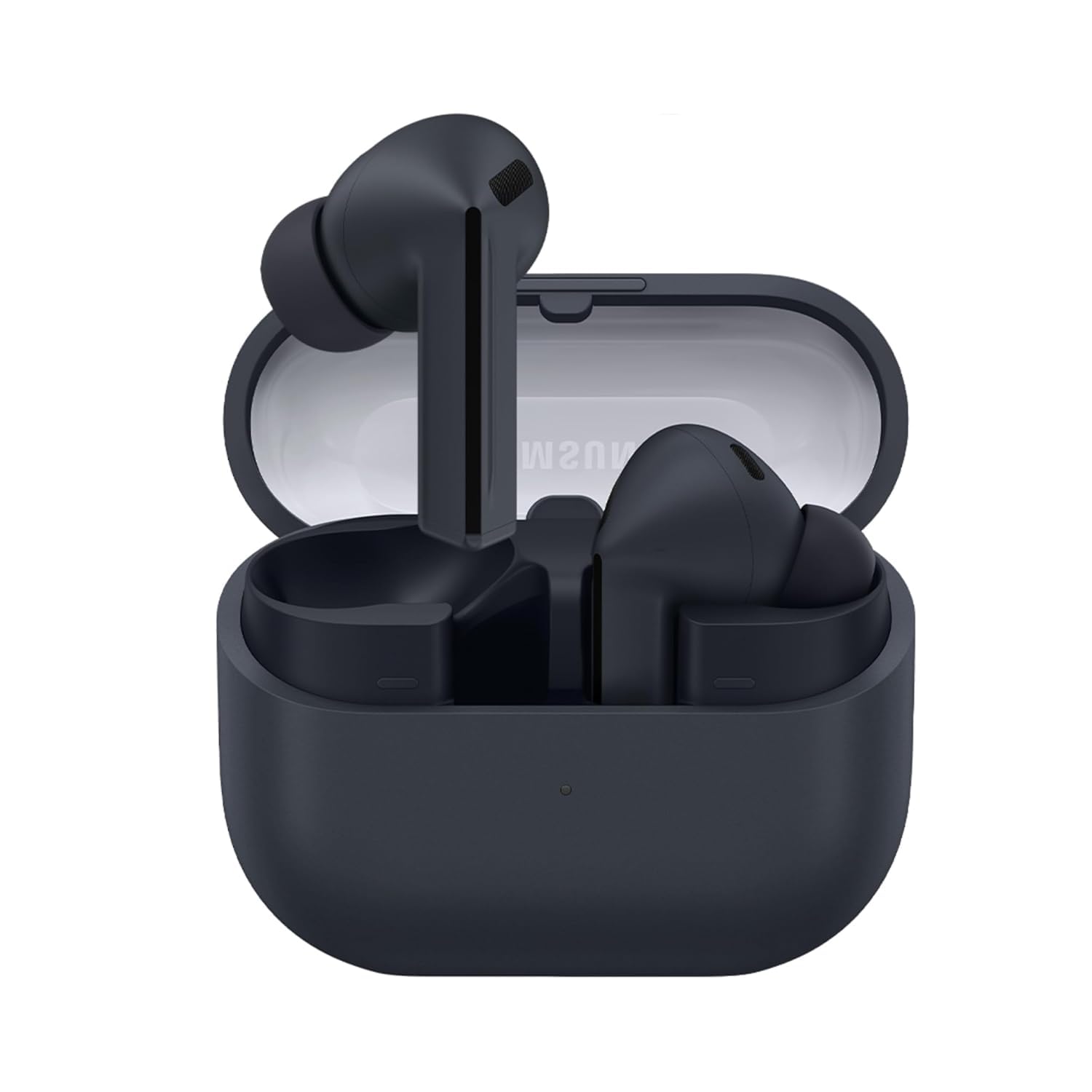
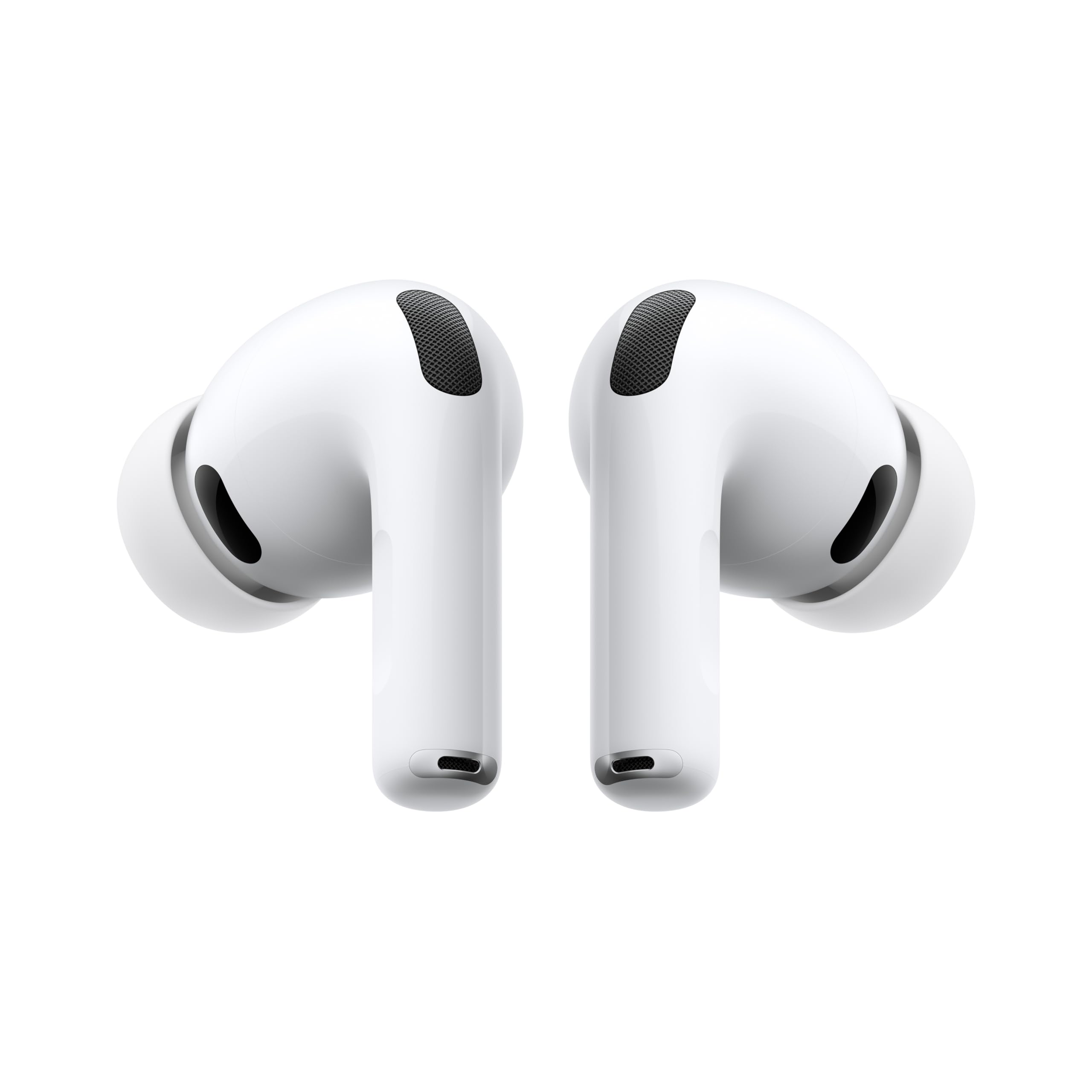
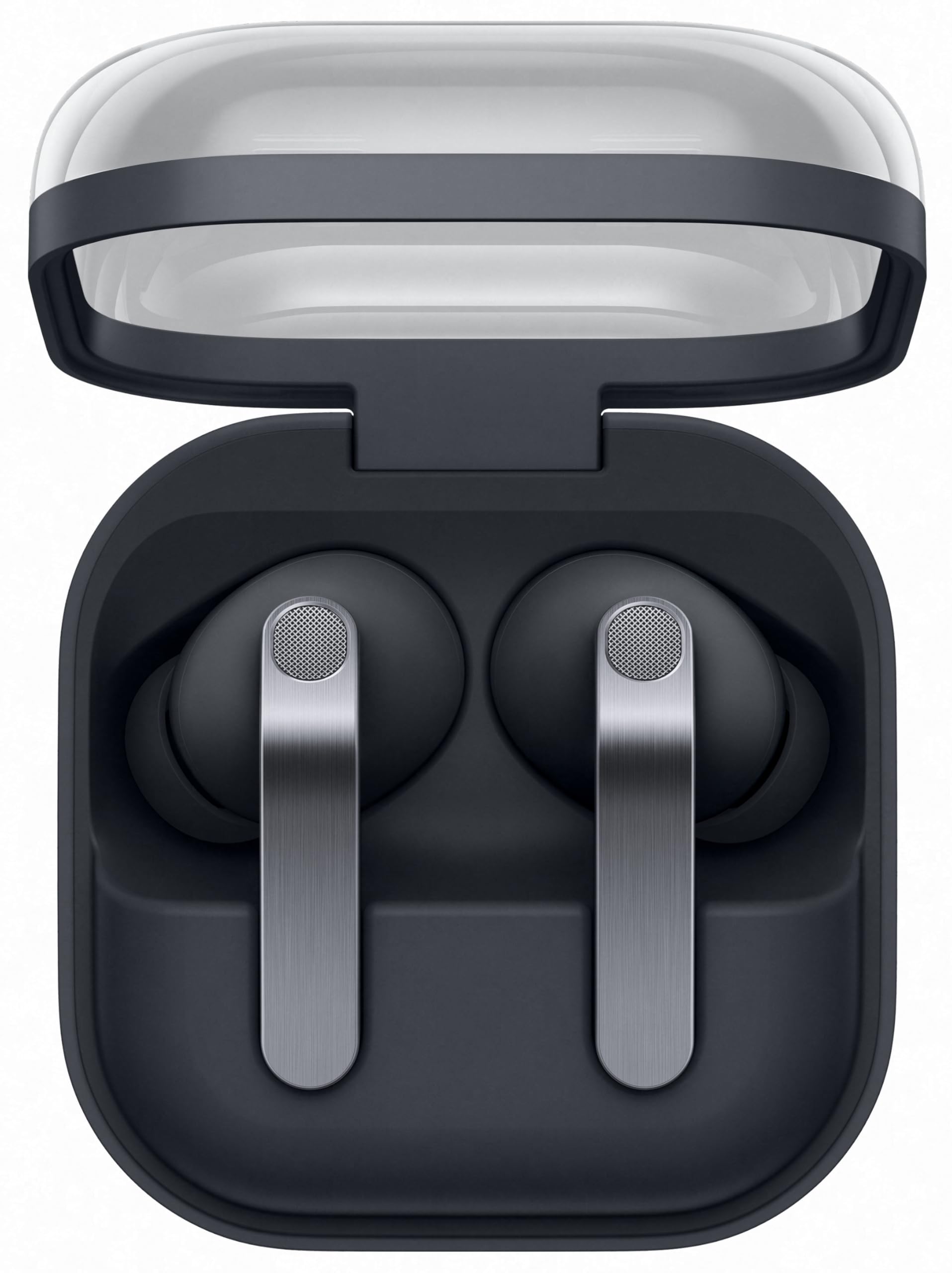
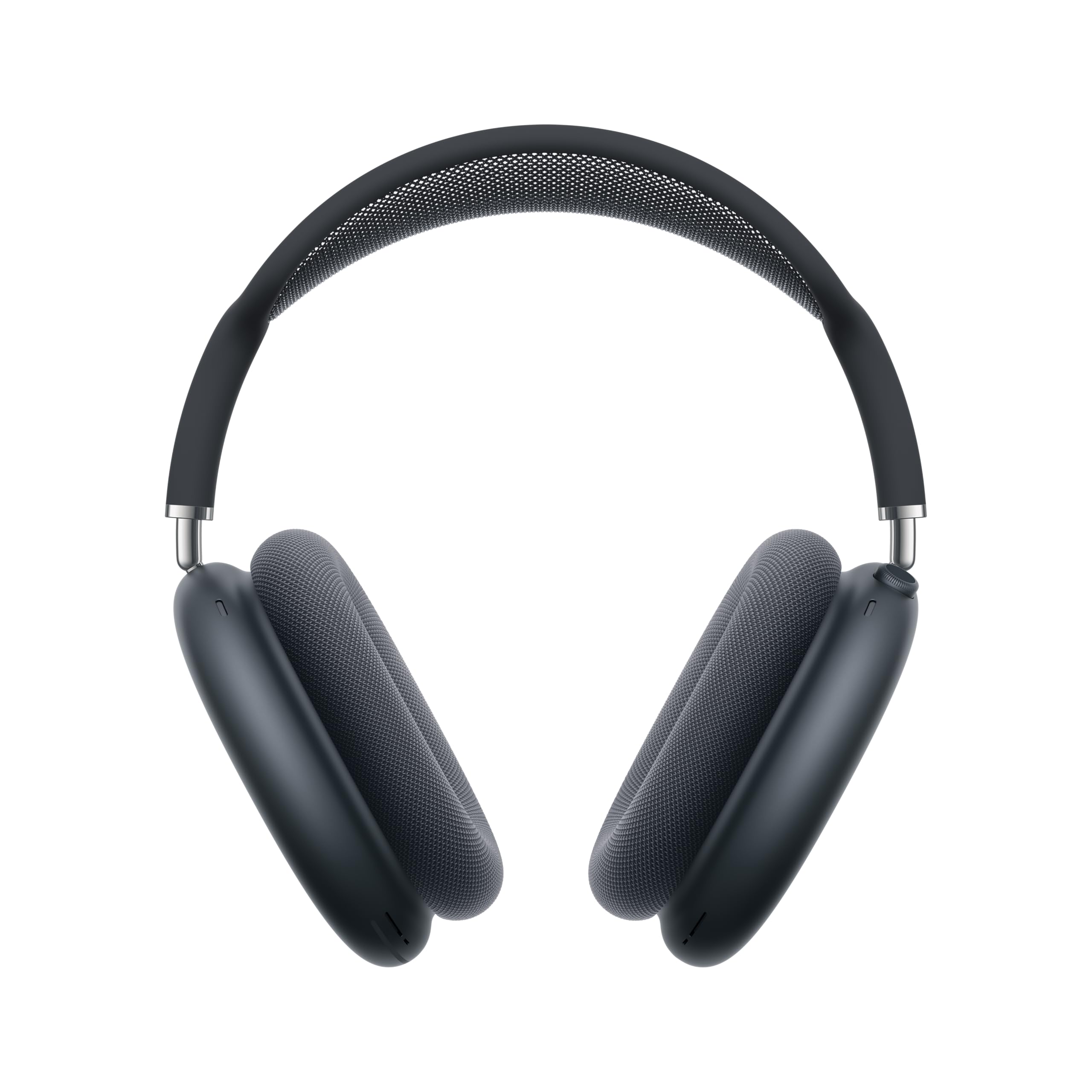
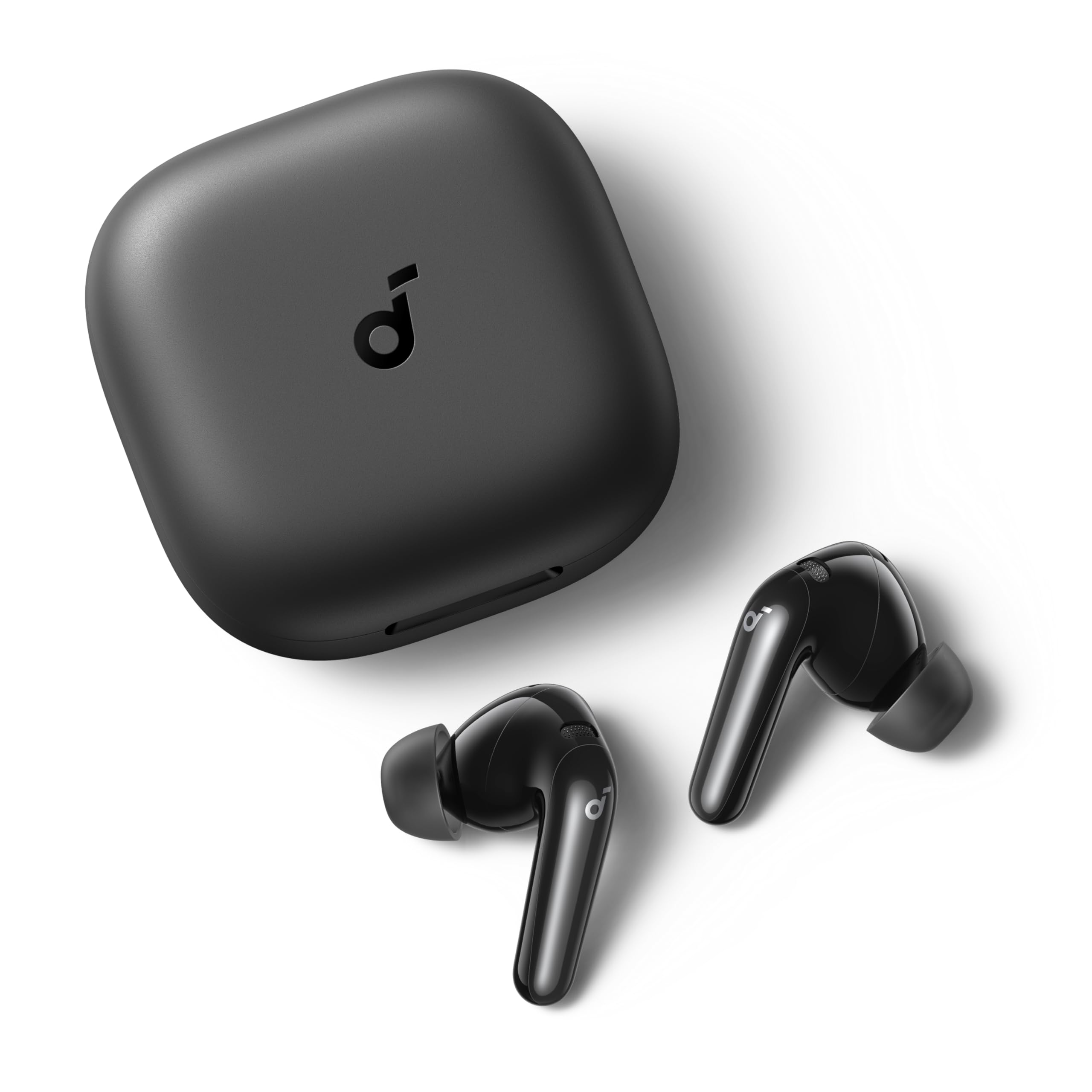
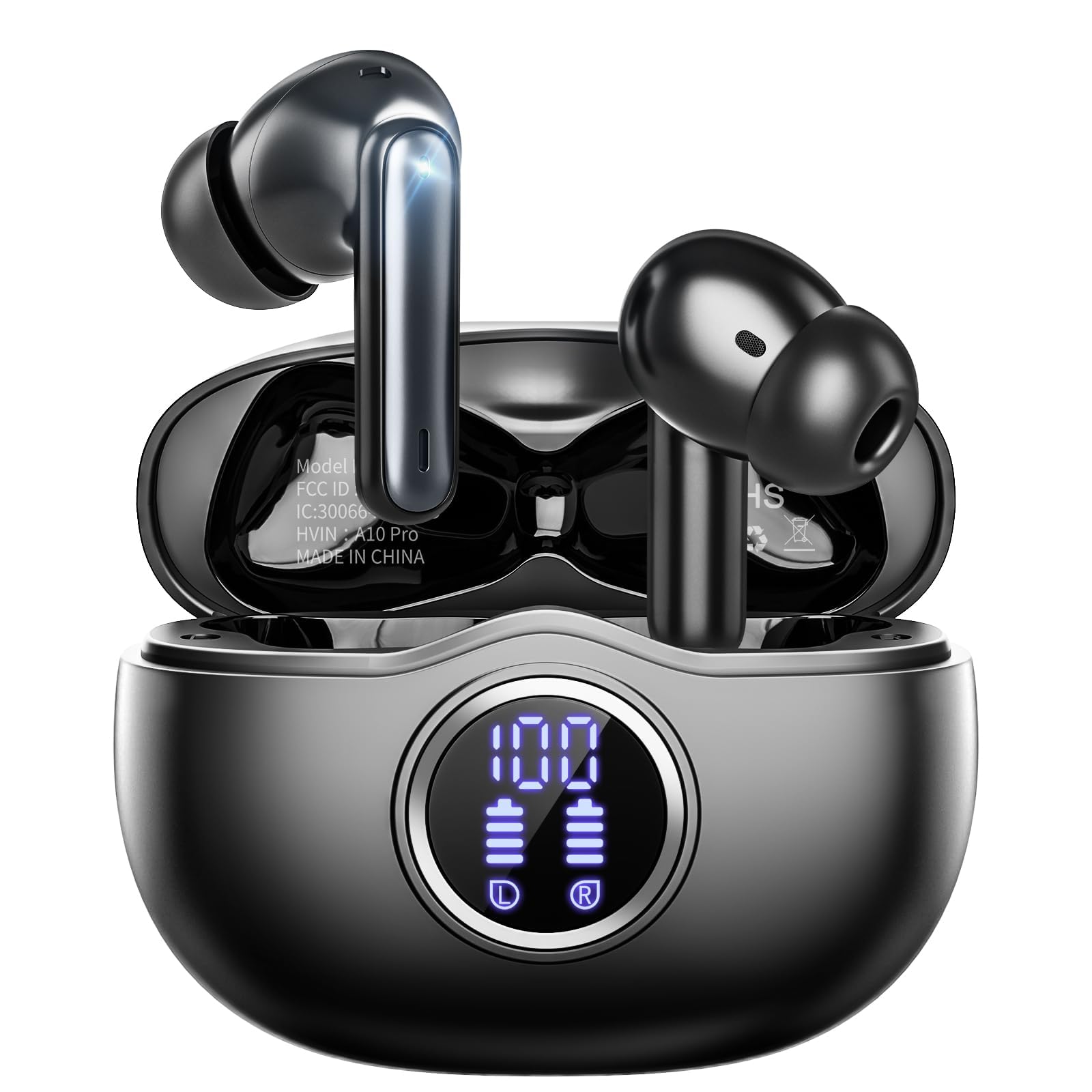
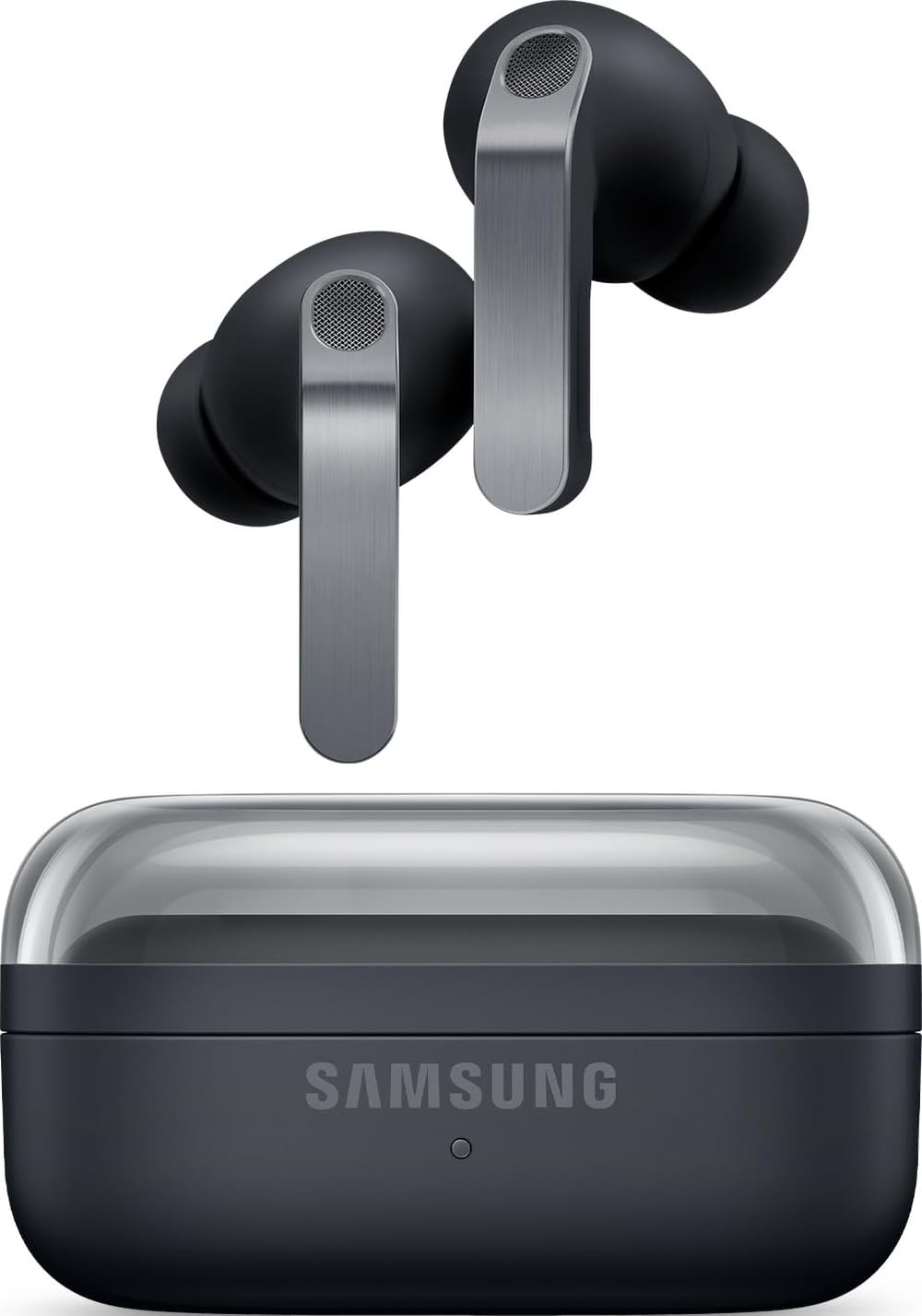
Situation: I couldn't imagine paying this much was that much better than ones for 1/10th the price. This begs the question, Then why did I try them?- I am learning Spanish to be with orphan kids in Colombia. I go to a church to be around them. I have an S24 Ultra that can translate to text or voice. I was wondering if it would be worth getting the S26 Ultra before going to Colombia again. Battery life was the same and the processor was a lot faster.- I expected go for it, but that's not the advice I received. Instead I received your S24 Ultra already has the Galaxy AI Interpreter for face-to-face conversations, Live Translate for phone calls, excellent microphones, and plenty of AI processing power. Samsung's newer hardware improves AI performance, but translation quality is mostly limited by speech recognition (understanding the speaker), translation model quality, context understanding, accents, slang, and background noise, not raw phone speed. Going S24 Ultra to the S26 Ultra might get slightly faster response, smoother offline AI, maybe less delay, but it will not suddenly make Spanish conversation feel like a Star Trek universal translator. Your S24 Ultra is already a monster. For translation, the bottleneck is not your Snapdragon processor, it is capturing clean speech and the AI model doing the interpretation. A better microphone path can help more than a faster phone. The Samsung earbuds Buds4 Pro is what I would recommend. The reason they matter is not that they magically translate by themselves, they improve the whole workflow. The microphones are closer to your mouth, they reduce background noise, you can hear translations privately, and you are not always holding a phone between two people. For example, with Galaxy AI Interpreter, you wear earbuds, the other person talks toward the phone, you hear English translation in your ear, your phone can output your voice translated Spanish. Moreover, if you have a Samsung phone, Galaxy Buds can do some translation tricks too.- It took me some time to overcome feeling stupid for spending 10x as much for something I had that works well, it was unimaginable that they could be that much better, and something I had to guard with my life now. I ordered, then struggled with cancelling, and then let it go on the basis that I also wouldn't know unless I "rolled the dice" to know, and the importance of the mission. The struggle was not the money. It was feeling stupid after I already had some that worked fine.Experience:- Setup surprise: Like all earbuds, they come with various sizes to fit your ears. Unlike the others I have, it has a setup that tests and determines the size that fits your ear. You do not do the determine which size, it does. You get a green check when you get a size that passes. There was only one of the sizes that passed, and they were not the same size for each ear. When I had someone look at my ears and size of the opening, they said they are exactly the same. I tried to trick it by changing its position to have it use the same size for each ear, but it wasn't buying it. I'm guessing it detects how much escapes from the ear to the microphone. Next it wants to do a hearing test like the flight surgeons used to do. This takes a while. Flight surgeons check to see if your hearing is still good. This uses the results of the tests to profile your hearing sensitivity across frequencies to adjust the volumes to make it perfect for each ear. That's more than my ~$1600 flight helmet does.- Comparison: My cheap ones worked just fine, I don't listen to music, and adjusting a mixer to the way I want to hear music just isn't a "duck in my pond". I just want to hear the unaltered sound, clearly, and be understood clearly, that's all I care about. You will not be able to imagine there could be a difference beyond that UNTIL you experience them side-by-side. Then they are very different. According to the scientific tests, the battle is between these and the ones from Apple, which are about the same price. However, if you have a Samsung Phone, it's no contest, which I do, because the iPhone doesn't have the smarts , flexibility, ability to document and record my phone calls automatically, enable you to write scripts to automate things without external approval, or have both eSIM and nanoSIM, as often nanoSIM plans are much cheaper abroad for some reason unknown to me. E.G. The iPhone is a great phone too, but it simply "cannot get there from here".- Features: It has different modes available to control the cancelling of background noise, one of which is to turn off the cancelling when you start talking so you can hear the response of the person next to you without removing the ear buds. There is a mode for driving to hear alert noises. It is much nicer for translation as mentioned in the advice I was given. Like the AirPods, these are also water resistant. You can also track and find them over the Internet from last place used, in Bluetooth range, and you can also find them in the case and turned off locally. There is no tendency for them to fall out of my ears while running.Summary: These are a different ball game than the inexpensive ones. If you have a use case like mine it is, and might also be worthwhile for someone whose hearing isn't the best. What I've written should help you determine if the extra initial cost and cost if you lose them, is worth the advantages they bring for your use case.Ver másVer menos
61 personas la encontraron útil