



Kevin
Nice stuff
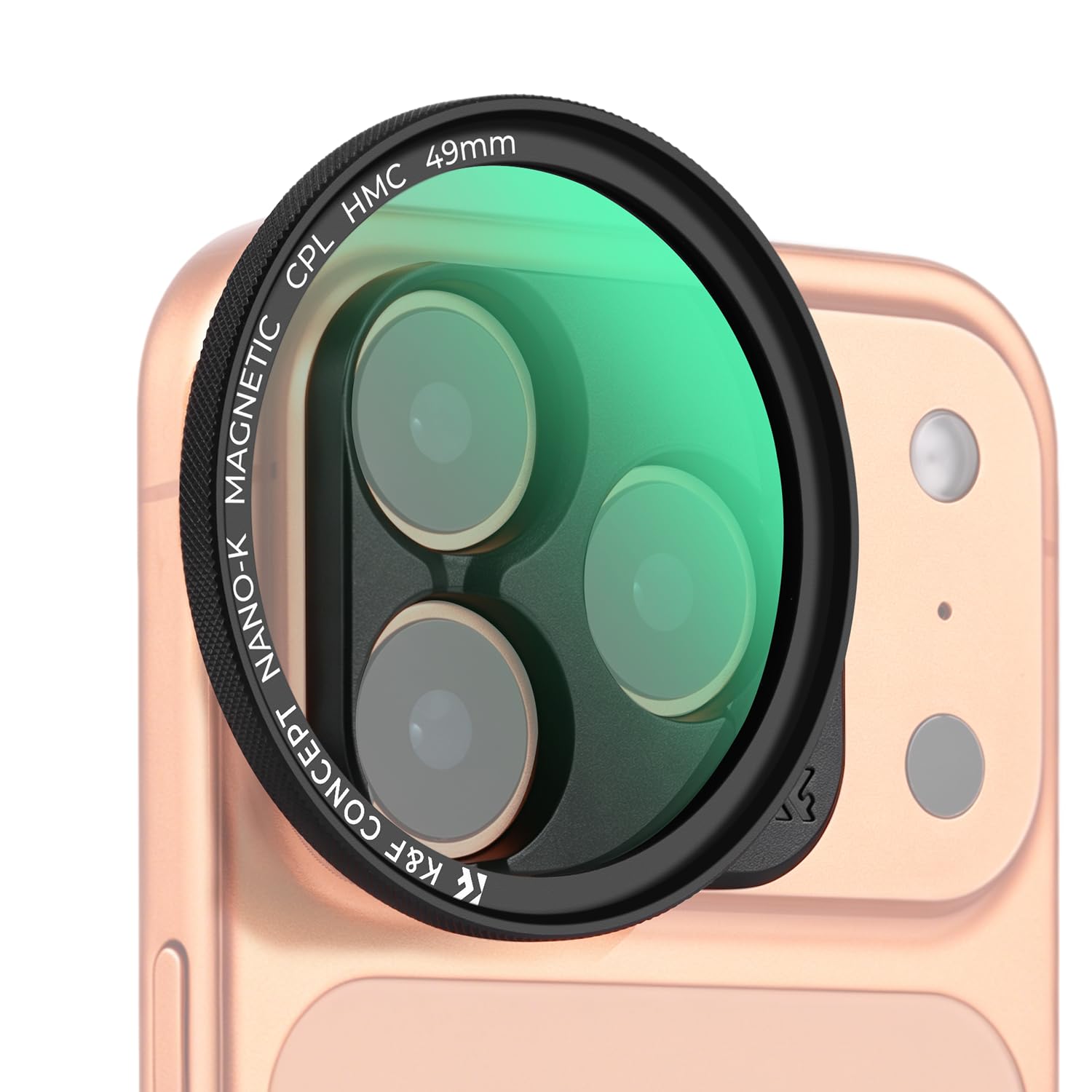
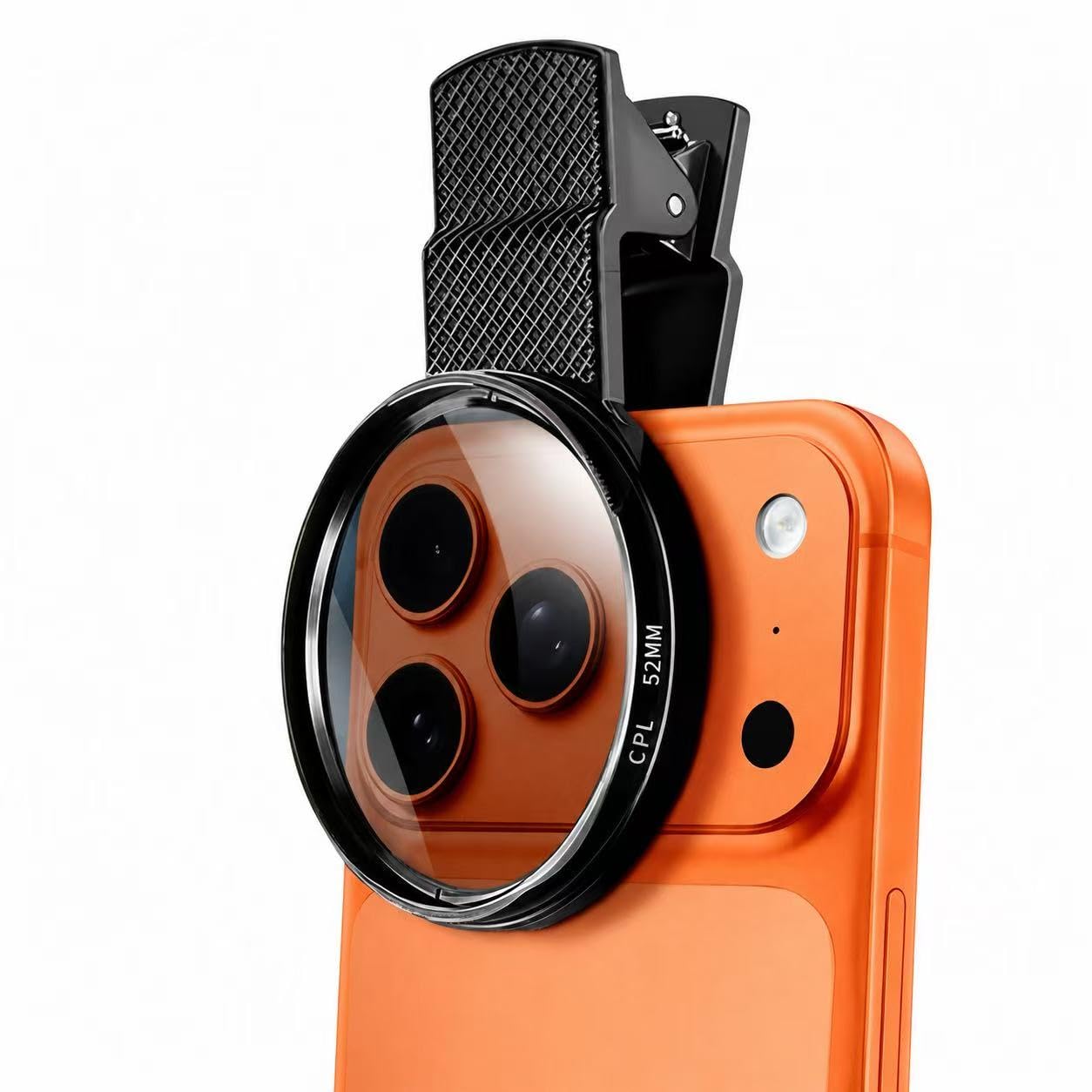
This clip-on CPL polarizer for smartphones is by far the best and most cost-effective one I’ve used. I’ve tried many similar products on the market, and this one stands out in both build quality and imaging performance. I enjoy shooting landscapes, and I recently used it to photograph flowers in my garden and scenes by the lake—the results were truly impressive.As shown in the photos, petals that would normally look washed out and dull under strong sunlight become instantly vibrant and richly colored with the filter, completely eliminating overexposure. The filter also effectively removes unwanted reflections from the water surface, making it clear and transparent. The overall image looks clean and professional, with every shot capturing a refined quality.Using the filter is very simple: just rotate the ring to adjust the polarization effect, allowing precise control over reflections in the frame. The clip is well-made, with high-quality materials, and holds the phone securely without slipping. It’s easy to use, even for beginners.Many people think CPL filters produce inconsistent results, but this is often due to a misunderstanding of the polarization principle. The CPL filter’s main function is to reduce polarized reflections, especially on water, glass, and leaves. By slowly rotating the filter while framing your shot, you can visually control how reflections decrease, achieving the desired effect.It’s important to note that the effect depends heavily on the angle of light, which is a natural optical principle. The filter works best when sunlight hits the subject at an angle. For example, at midday, flowers in a garden or ducks on a lake are captured with vivid colors, clear water, and well-defined shapes. Conversely, during sunset, when low-angle sunlight hits the surface directly, even a high-quality CPL filter cannot completely remove reflections—similar to how polarized sunglasses cannot block direct sunlight from the front.When used in the right conditions, this CPL filter can significantly improve the quality of smartphone photography. Whether photographing plants, water, glass, or other reflective surfaces, it helps achieve results close to a professional camera.Ver másVer menos
3 personas la encontraron útil