



Case Closed Computers, LLC
10 de junio de 2026
Enterprise Consistency at a Consumer Price (And Proper VESA Placement)
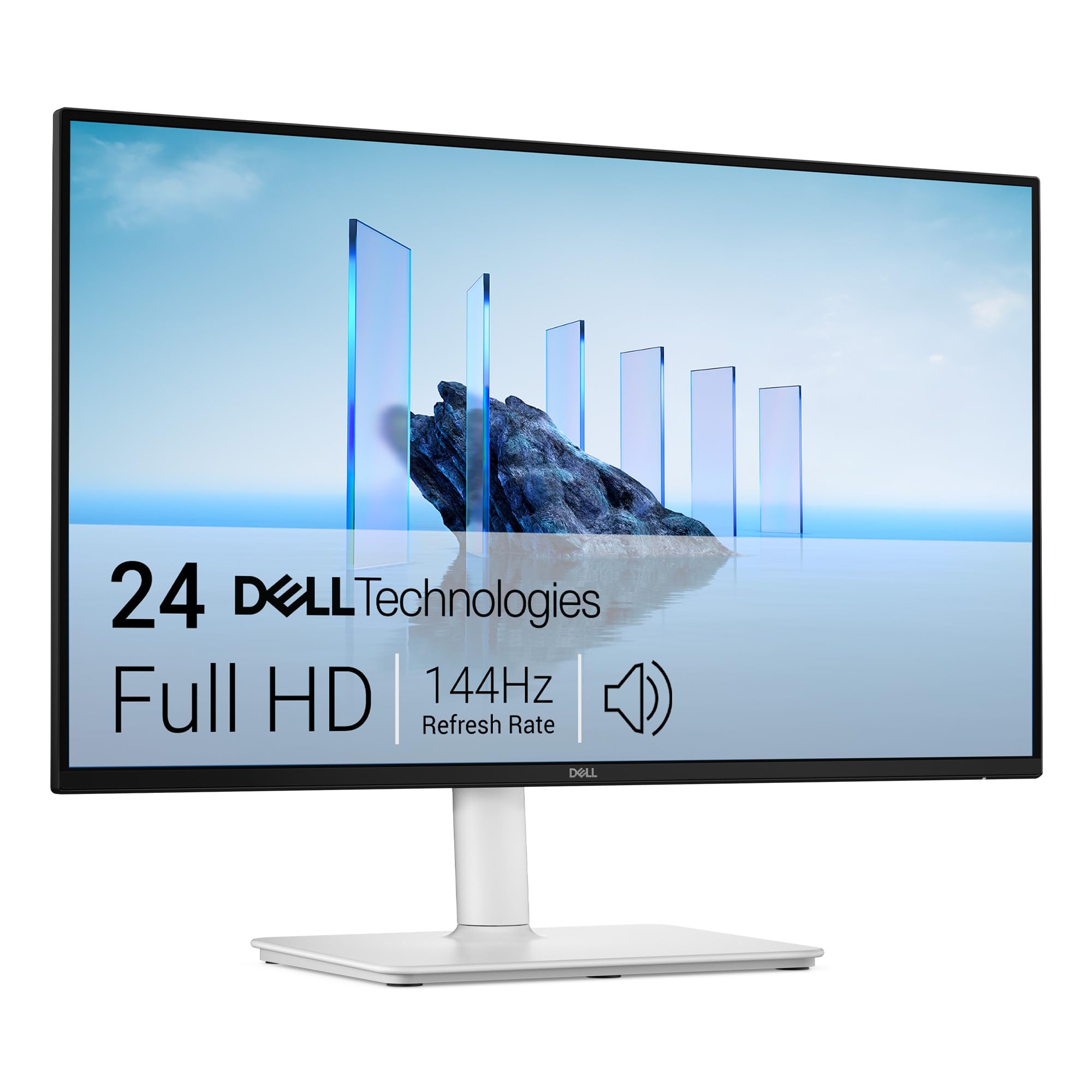
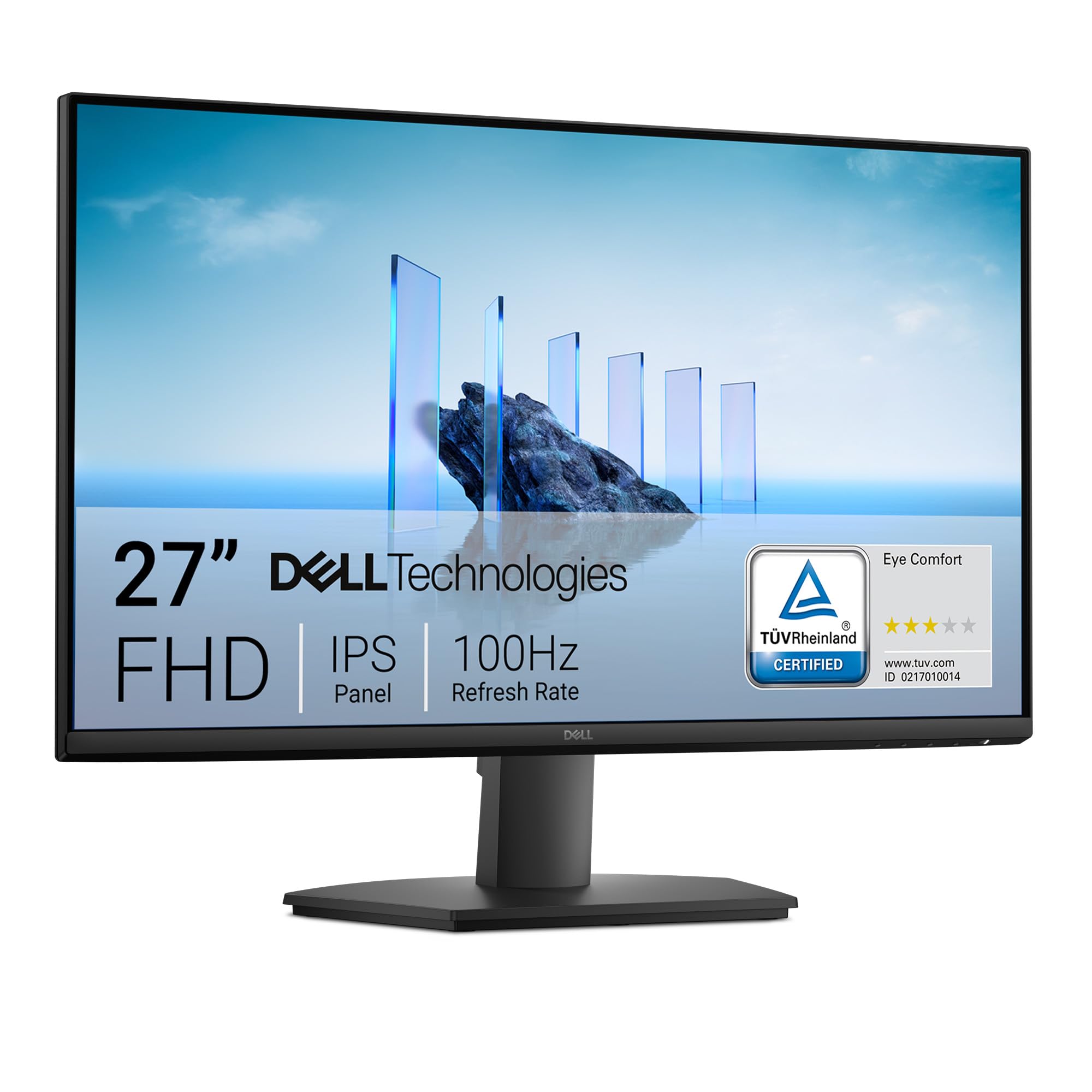
When you are deploying multi-monitor arrays or outfitting standard workspaces, you aren't looking for flashy gaming specs; you are looking for long-term panel uniformity, reliability, and ease of mounting. Dell has historically held the lead in the commercial LCD space for a reason, and this model delivers that exact enterprise DNA at a surprisingly low price point. These monitors work well for either daily reading, work documents, or even gaming.Panel Quality and Price-to-Value RatioAt this tier, you expect severe compromises in viewing angles or backlighting uniformity. However, Dell’s tuning on this panel is remarkably clean. Color temperature matches across units right out of the box—which is rare for a budget display and crucial if you run dual- or triple-screen setups where mismatched whites can cause immediate eye strain. The matte anti-glare coating handles harsh overhead office fluorescent lighting without washing out the contrast. It’s an incredibly affordable utility panel that doesn't look or perform like generic budget hardware. And, being Dell, you can expect the quality of life and a durability above the no-name offerings.Mechanical Advantage: The Dead-Center VESA LayoutThe standout design choice here is the VESA mounting pattern. Too many budget monitors flush the VESA mount to the very bottom of the chassis or integrate it into a fragile plastic collar. Dell put the 100x100mm pattern squarely in the dead center of the backplate.From a deployment and articulation standpoint, this changes everything:Neutral Center of Gravity: Because the weight is perfectly balanced across the mounting plate, it places zero uneven torque on articulating monitor arms or gas-spring desks mounts. It won't cause the arm to tilt or sag over time.Flawless 90-Degree Pivot: If you rotate your displays into a vertical/portrait orientation for coding, documentation, or system monitoring, a dead-center mount means the display stays perfectly aligned on its axis. You don't have to radically adjust the arm’s height or clearance just to swing it 90 degrees.The Stand and Everyday ErgonomicsThe included desk stand is basic and offers minimal tilt adjustment, which clearly keeps the cost down. But given the native VESA readiness, the stock stand is irrelevant for anyone building a serious workspace. The bezel is thin enough to minimize the gap in multi-monitor span arrays, and the physical power/OSD buttons underneath the rim have a reassuring mechanical click instead of unreliable capacitive touch fields.Minor Disadvantages to Note:The native IO layout is lean, focusing strictly on standard office connectivity without built-in USB hubs or downstream power delivery. If you are trying to minimize cable runs to a laptop via a single USB-C cable, you will still need a dedicated dock or adapter.Ver másVer menos
3 personas la encontraron útil