



Angel O.
10 de junio de 2019
Great upgrade
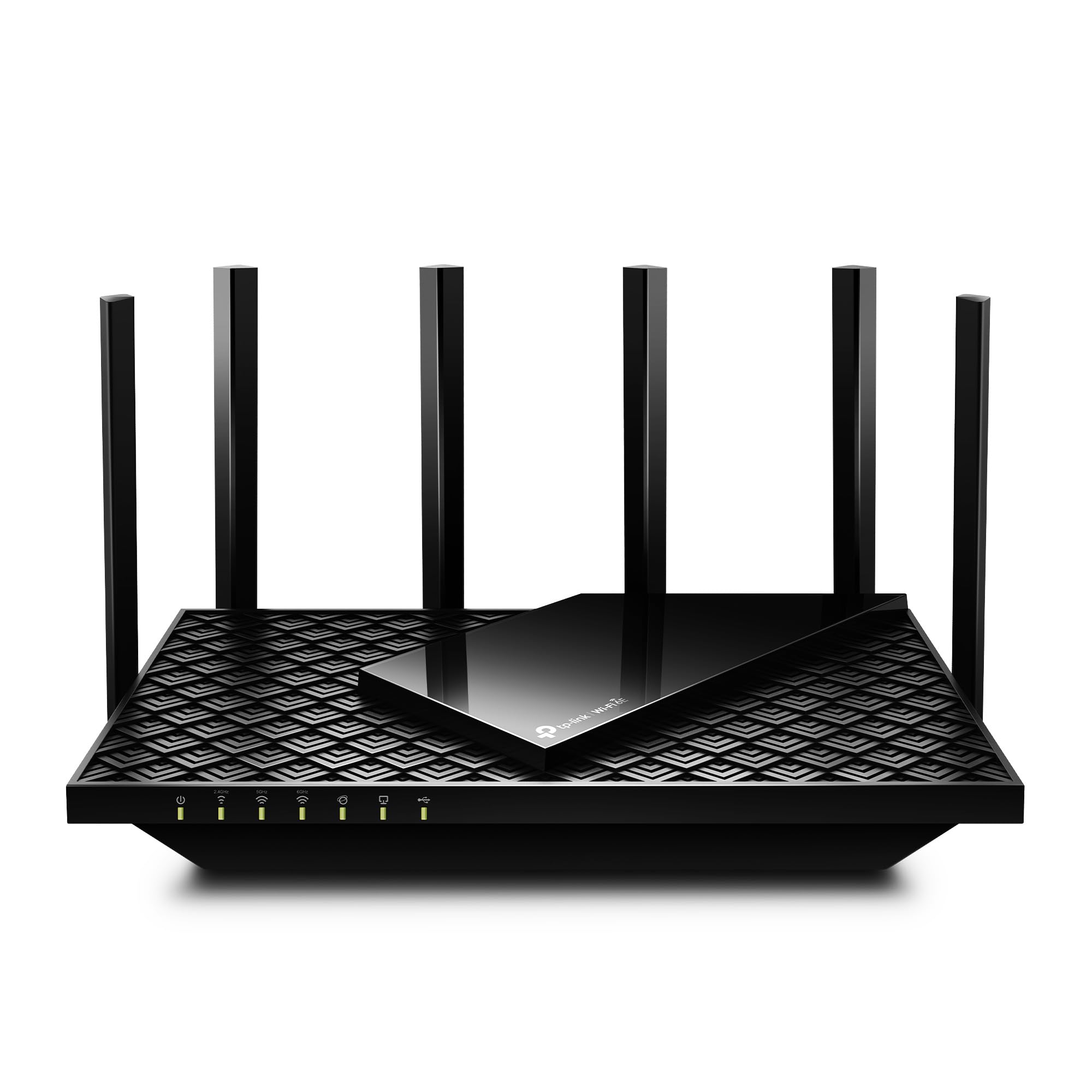
We upgraded from an ASUS AC66U. The previous router was also ASUS. The initial setup took about 30 minutes, and we were able to get things going pretty quickly after that. First thing I did was upgrade the firmware, and we haven't had any issues at all. The only restarts have been from me after configuring new items like the VPN.The one hangup I had was that I was using the ASUS DDNS and didn't see the info that I needed to contact them to release the old domain from the old router before connecting it to the new one. That info is on the bottom of the one of the FAQ pages, but I wish they would make it more prominent. So far this is my only interaction with customer support, but they were very helpful and got it taken care of right away. Hopefully there aren't any more difficult requests that I need to send their way.Previously we had the two routers providing connectivity for the house, and had issues when devices wouldn't disconnect from one, and go to the other. They were setup as a main router, with the secondary as a wired AP. This new router has been working great without need for a second router, although I did setup one of the old ones just in case, it has remained unplugged on the counter. All of our devices for a 4 adult household have been seeing much improved speed, as well as, signal strength. I can easily get signal a couple hundred feet away from our house and browse the internet. The house even has aluminum siding, so I'm sure most people will probably get better signal than I would. The previous router was unable to really handle the full throughput of our connection to Comcast. It would top out around 150Mbps, but the new one easily runs past it around 470Mbps (on a 400Mbps connection).Another thing I setup was the VPN. I decided on the router hosted one for IPSEC with PSK/Secret. That works great and is the one I'm more familiar with having worked with CISCO stuff in the past. It also doesn't require that the traffic go through a 3rd party before going through your router. This is great for if we're traveling and want to make sure that our traffic is transmitted securely even though the WiFi we're on might be open or shared. Additionally, you don't have to pay for a VPN service.In terms of total cost, it is pretty expensive, and fortunately I had a bit of cash that we weren't expecting to have that I used in order to bring down the total cost of the router to about $250. At that price it's basically a steal, but at the full $450 it was something we were contemplating, but would probably not have pulled the trigger on.Having said that, the number of features that are provided are very impressive. I especially appreciate the network security through TrendMicro. I'm sure it's not on the same level as a FireEye appliance, but for the home you probably couldn't do a whole lot better with an all in one solution. We don't have any kids yet, but when we do, I would like to try out the parental controls. I could try them out on the other three people, but I'm not sure how happy they would be.The AIMesh would be nice to try, but both of our older ASUS routers don't support this. There's not a lot that the system can do besides attempting to band steer clients from one AP to the other, so if you really want, you can setup your network to basically provide the same functionality as AIMesh, it just won't be able to do the band steering as well. You can do this by setting your dynamic IP address range like this: 192.168.1.100-254, then statically assign IPs to any APs in the .1.1-.1.99 range. This essentially works like daisy chaining switches together, but over WiFi. You can then adjust the settings for each router where it will either attempt to allow the client to continue to connect, or cede the connection to a "better" one.One more thing I hope for is that they will be able to add WPA3 support in the future, but even if they don't, I'm not super concerned.All in all, this appears to be a pretty good upgrade from our old router. I usually use equipment such as this for longer periods of time by buying the top of the range, then making sure that it will continue to meet our needs. This helps to stomach the cost a bit more too. The older routers will probably see reuse as time goes on, if someone I know is in need of a router, or if I am experimenting with things. I have often thought of setting up a stand alone server to serve this purpose and act as the router and firewall, then using APs for WiFi, but in terms of a total functionality, time spent, money spent (including power), and ease of use for the home environment, I have found myself coming back to these routers, and specifically ASUS for the broad feature set that is offered. Obviously there is brand familiarity too.Ver másVer menos
11 personas la encontraron útil