

Kyle Minor
17 de agosto de 2008
A Good Book, Yes, But Also an Important Book
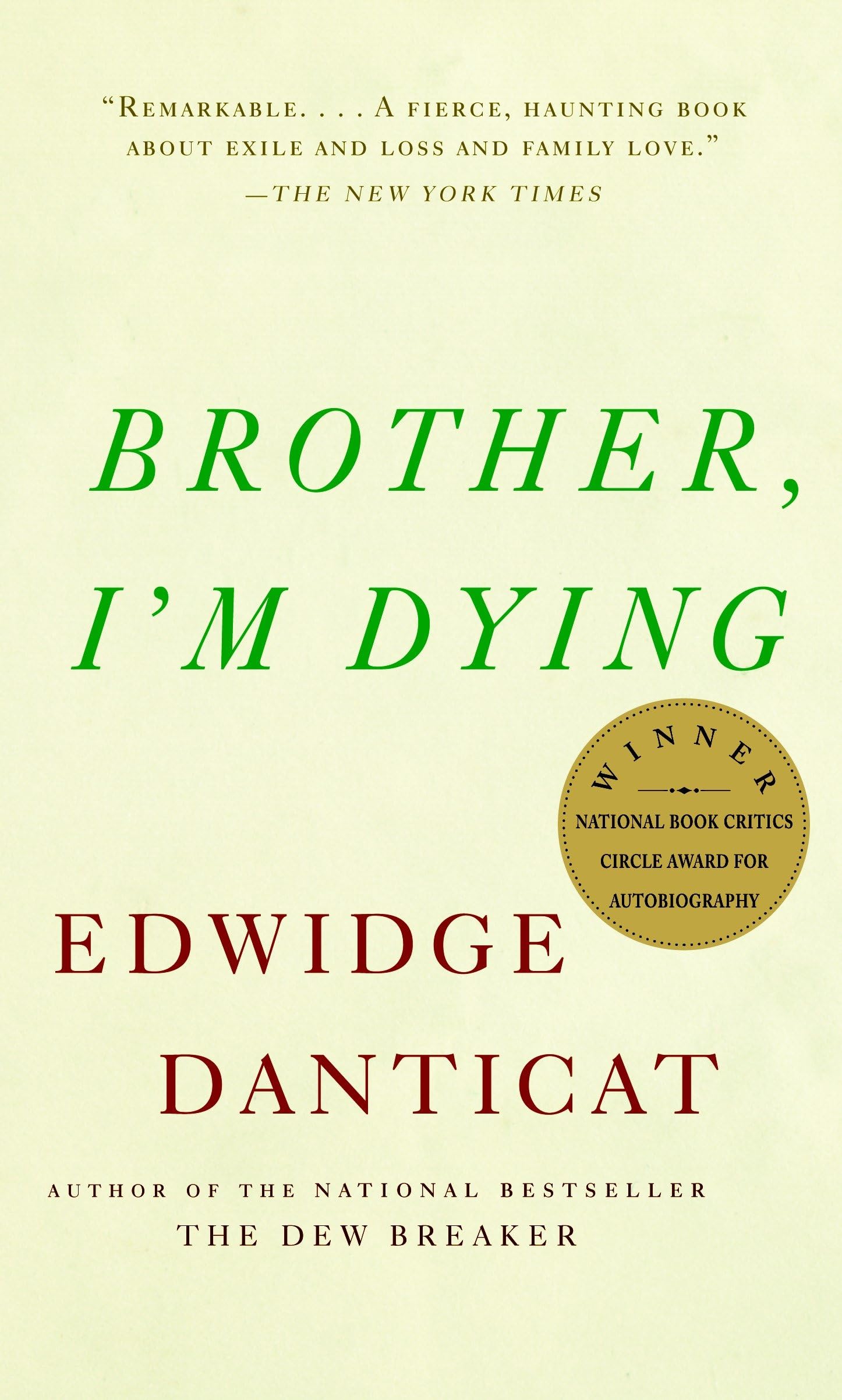
Edwidge Danticat is possibly the best American fiction writer of the younger generation. Her novels and story collections have cut a broad swath through the history of 20th century Haiti and the Haitian diaspora. Their virtues include lyric and narrative pleasures, a plainspoken and elegant voice, intelligence and intelligibility, and the bridging of two cultures separated by language and mutual misunderstanding.With Brother, I'm Dying, Danticat expands upon the gift for nonfiction she first demonstrated in her book about carnival in Jacmel. This time, she tackles memoir by way of family history, a private story that stands in for hundreds of thousands of other private stories and has deep public policy implications. Through the Dantica and Danticat families, we get an up-close-and-personal look at the terrors of Haitian history from Papa Doc to the present, alongside the beauties of place and people too often underexplored in newspaper accounts of Haiti.The book's velocity increases toward the end, when Danticat's uncle is run out of Port-au-Prince by street gangs, only to encounter the surprisingly deadlier American immigration system. This part of the story is the most deeply felt section of a deeply felt book, and the reader wants to scream with outrage and the indignities Danticat's uncle suffers, and especially at the unwillingness of the immigration authorities to respond humanely to his illness, his difficulties in communicating, or his family's quite reasonable requests that he receive proper medical and legal attention.I find myself grieving now, after finishing this book, and I want to know what I can do to make my country more compassionate. Certainly, Haitians receive shabbier treatment than almost any other ethnicity in our immigration and legal system, and, like Danticat, I find myself wondering why, and suspecting that it might be a manifestation of the worst prejudices we have not yet laid to rest.It is true that books can be about virtuous things without being very good, but the urgency the reader feels about the book's subject owes much to the extraordinary power of the writing. If Danticat were a writer who chose subject matter of a lesser intensity, I believe that more critics would write about the sentences, the structural choices, the wise management of information in her books. That they do not is a testament to the power of the stories she chooses to tell, and her ability to get out of the way and give character and story center stage rather than the pyrotechnics of language which she is certainly capable of exhibiting.Ver másVer menos
23 personas la encontraron útil